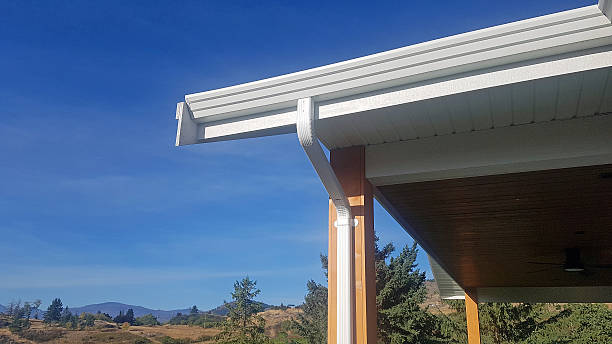
For Southern California homeowners, the cost of a new gutter system can vary widely from one property to another. A small single-story home with a simple roofline may be much easier to price than a two-story home with multiple roof levels, long fascia runs, patios, additions, or custom drainage needs.
The most accurate way to know the cost of Seamless Rain Gutters is to schedule a professional estimate. Still, understanding the main pricing factors can help you compare quotes, ask better questions, and choose a system that protects your home for the long term.
Quick Answer: What Affects the Cost Most?
The price of a seamless gutter installation is usually based on the total linear footage, material selection, number of downspouts, roof height, installation complexity, removal of old gutters, and any added drainage or leaf protection options.
National cost guides commonly show seamless gutter pricing ranging anywhere from lower-cost material options to higher-end systems, with final pricing affected by material, labor, roof access, and project complexity. HomeAdvisor notes that seamless gutter costs can vary by material and roof complexity, while Angi notes that labor and access conditions can increase the total installation price.
In Southern California, local conditions can also play a role. Homes may have tile roofs, stucco exteriors, sloped lots, custom fascia details, tight side yards, or hardscape areas that require thoughtful drainage planning.
Why Seamless Gutters Are Priced Differently
Unlike sectional systems that are assembled from multiple pre-cut pieces, seamless gutters are custom-formed to fit the home. They are typically fabricated on-site using specialized equipment, then installed in long continuous runs.
This custom process is one reason they can cost more than basic sectional options. However, they also offer important advantages. Fewer joints along the main runs mean fewer potential leak points, a cleaner appearance, and a more tailored fit.
For many homeowners, the value is not just in the gutter itself. It is in reducing the chance of water overflow, fascia damage, soil erosion, stained exterior walls, and drainage problems around the foundation.
Linear Footage Is the Starting Point
One of the biggest pricing factors is how many feet of gutter your home needs. Contractors usually measure the roof edges where gutters will be installed. Larger homes, long rooflines, detached garages, patio covers, and multi-level layouts generally require more material and labor.
A simple rectangular home may need fewer runs and fewer corners. A larger home with multiple roof sections may require more custom work, more downspouts, and more time to complete.
This is why two homes with the same square footage can still have different installation costs. The shape and layout of the roof matter just as much as the size of the house.
Material Choice Affects the Price
Material selection can significantly affect the final quote. Aluminum is a common choice because it is lightweight, durable, corrosion-resistant, and available in many colors. It works well for many Southern California homes and can often be matched to fascia, trim, or exterior paint.
Higher-end materials may cost more but can offer a distinct appearance or added durability. Copper, for example, is often selected for custom homes or architectural projects where appearance is a major design feature.
HomeAdvisor’s gutter replacement cost guide notes that material type can create a wide cost range, with copper typically at the higher end and vinyl at the lower end.
Roof Height and Access Matter
A single-story home is usually easier and faster to work on than a two-story or multi-level property. Taller homes may require extra safety equipment, longer ladders, additional labor, or more careful staging.
Access can also affect pricing. If the installer has limited space around the home, steep slopes, tight side yards, landscaping obstacles, or hard-to-reach roof sections, the project may take more time.
This does not mean a difficult home cannot be fitted with a quality system. It simply means the estimate should reflect the added labor and safety requirements.
Downspouts Are a Major Part of the System
The gutter channels collect water, but downspouts direct it away from the home. The number, size, and placement of downspouts can affect the total price.
A properly designed system should move water away from the foundation, walkways, patios, planter beds, and areas that slope back toward the home. Some properties may need extra downspouts, extensions, splash blocks, or drainage planning to prevent water from collecting in the wrong places.
Downspout placement is especially important in Southern California neighborhoods where homes may have concrete hardscapes, retaining walls, narrow lot lines, or landscaped areas close to the structure.
Removing Old Gutters Can Add to the Cost
If your home already has damaged, leaking, or outdated gutters, the old system may need to be removed before the new one can be installed. Removal can add labor and disposal costs, especially if the existing system is difficult to access or attached to damaged fascia.
This is also the right time to inspect the roofline. If fascia boards are rotted, loose, or deteriorated, repairs may be needed before the new system is installed. Installing new gutters over damaged wood can reduce performance and shorten the life of the project.
Gutter Style, Color, and Profile
The style of the gutter can also influence the price. Some homes require a standard profile, while others may benefit from a larger size or a specific shape to handle roof runoff more effectively.
Color selection is another consideration. Many homeowners want the system to blend into the home’s exterior rather than stand out. Matching the gutters to fascia, trim, roof color, or exterior paint can improve curb appeal and make the finished installation look more intentional.
For custom homes, homeowners may choose a higher-end finish or material to complement the overall architecture.
Optional Leaf Protection
Leaf guards or debris protection systems can increase the upfront cost, but they may reduce future maintenance needs. These additions can be helpful for homes near trees or areas where leaves, pine needles, roof debris, or windblown material often collect.
No leaf protection system removes every maintenance responsibility, but the right option can help keep water flowing and reduce the frequency of cleanings.
Why the Lowest Quote Is Not Always the Best Value
It can be tempting to choose the lowest estimate, but price should not be the only factor. A properly installed system should be measured accurately, pitched correctly, secured firmly, and designed to drain water away from the home.
A low price may not include enough downspouts, proper removal, fascia evaluation, quality materials, or careful drainage planning. If the system leaks, sags, overflows, or sends water toward the foundation, the cheaper installation can become more expensive over time.
When comparing quotes, homeowners should ask what is included, what material will be used, how downspouts will be placed, whether old gutters are removed, and whether the installer will check the fascia condition.
How to Get an Accurate Estimate
The best estimate comes from an on-site evaluation. A professional can measure the home, inspect the roofline, review drainage patterns, identify access challenges, and recommend the right system for the property.
Before scheduling an estimate, it helps to note any existing problems, such as overflow, pooling water, stains on stucco, damaged fascia, or areas where water collects after rain. These details help the installer design a better solution.
Protecting Your Home Is the Real Investment
Rain Gutters are not just an exterior add-on. They help protect the roof edge, fascia, foundation, landscaping, hardscape, and exterior walls from unnecessary water exposure.
For many Southern California homeowners, Seamless Rain Gutters offer a strong balance of appearance, performance, and long-term value. While the exact cost depends on the home, the right system can help prevent avoidable water damage and improve the way your property handles seasonal rain.
L.I. Metal Systems can provide a professional assessment and recommend a custom-fit solution based on your home’s layout, drainage needs, and exterior style.